
To keep it simple, it sticks to Australian supply, Australian standards, and the way formwork is actually used on site. Formply grades and sizes explained is the whole point here, and the details below are the stuff that stops expensive mistakes.
What is formply, and why is it different to regular plywood?
Formply is a structural plywood designed for concrete formwork, typically with a phenolic film face to resist moisture and abrasion. In Australia it is chosen because it holds its shape under load and gives a cleaner concrete finish than plain ply.
Regular plywood might look similar, but it is not always made for wet, high pressure pours. Formply is purpose built for repeats, impact, and site handling.
What do formply “grades” actually mean in Australia?
Grades describe the face quality, durability, and intended use, often linked to compliance with Australian Standards and manufacturer specs. For most buyers, grade is really about two things. How the concrete finish will look, and how many reuses they can reasonably expect.
This is where Formply grades and sizes explained matters, because a “cheaper” grade can cost more once patches, blowouts, and replacements start happening.
Which Australian Standards should they look for when buying formply?
They should look for formply that aligns with AS 6669 (Formwork plywood) and structural plywood manufacturing under AS/NZS 2269.1, depending on the product and supplier documentation. Reputable suppliers in Australia will provide branding, edge stamps, and compliance paperwork on request.
If a sheet has no markings and no data sheet, it is a risk. Especially for commercial pours and any work that will be inspected.
What is the difference between F-grade and non F-grade formply?
F-grade refers to structural stress grading, where the plywood is assigned an “F rating” indicating its strength and stiffness performance. Non F-grade sheets may still be sold for formwork, but they are not stress graded in the same way, which can limit engineering acceptance.
For suspended slabs, engineered formwork, or propping design, F-grade is typically the safer and more widely accepted option.
What do the face classes mean, and do they affect the concrete finish?
Yes. Face class affects the finish because it describes surface quality and the presence of repairs, patches, and grain characteristics. Higher face quality generally gives a smoother, more uniform concrete surface.
Film faced formply is common in Australia because the phenolic overlay reduces water absorption and helps achieve consistent results. Even then, release agents, vibration, and pour technique still matter.
What sheet sizes are standard for formply in Australia?
The most common sheet size in Australia is 2400 mm x 1200 mm. They will also see 1800 mm x 1200 mm and 2700 mm x 1200 mm stocked by some suppliers, depending on location and demand.
When someone asks for Formply grades and sizes explained, this is usually the “sizes” part they mean. The standard sheet is popular because it suits typical framing centres and is easy to handle by two people.
Other Resources : Hazard identification tool – Formwork
What thicknesses are available, and how do they choose the right one?
Common thicknesses include 17 mm and 19 mm, with 12 mm and 25 mm available in some ranges. They choose thickness based on span, pour pressure, framing spacing, and how many reuses they want.
17 mm is widely used for vertical formwork and general applications. 19 mm is often chosen where extra stiffness is needed, or where the sheet will take more abuse across multiple pours.
How do they match formply thickness to common formwork applications?
For wall forms and columns, thicker sheets reduce deflection and help avoid bulges, especially with higher pours. For slab soffits, the choice depends on joist spacing and engineered requirements, not guesswork.
In Australian site practice, they often standardise one thickness for simplicity, then adjust framing rather than swapping sheet types. That can work, but only if the load paths are understood.
Does “marine ply” replace formply for concrete work?
No, not as a direct replacement. Marine plywood is built for moisture resistance and bond durability, but it is not automatically film faced or optimised for concrete contact. It can also be more expensive without giving the same surface performance.
Formply exists because it is engineered around concrete work. Formply grades and sizes explained is really a reminder that “water resistant” is not the only requirement on a formwork job.
How many reuses should they expect from different formply grades?
Higher quality film faces and better core construction generally mean more reuses, assuming correct handling. On Australian sites, reuse can range from a few pours for budget sheets to 20 or more for premium products, but only with good practices.
That means sealing cut edges, cleaning promptly, using proper release agents, and storing sheets flat and dry. Most early failures are handling failures, not manufacturing ones.
Why do the edges matter so much, and should they be sealed?
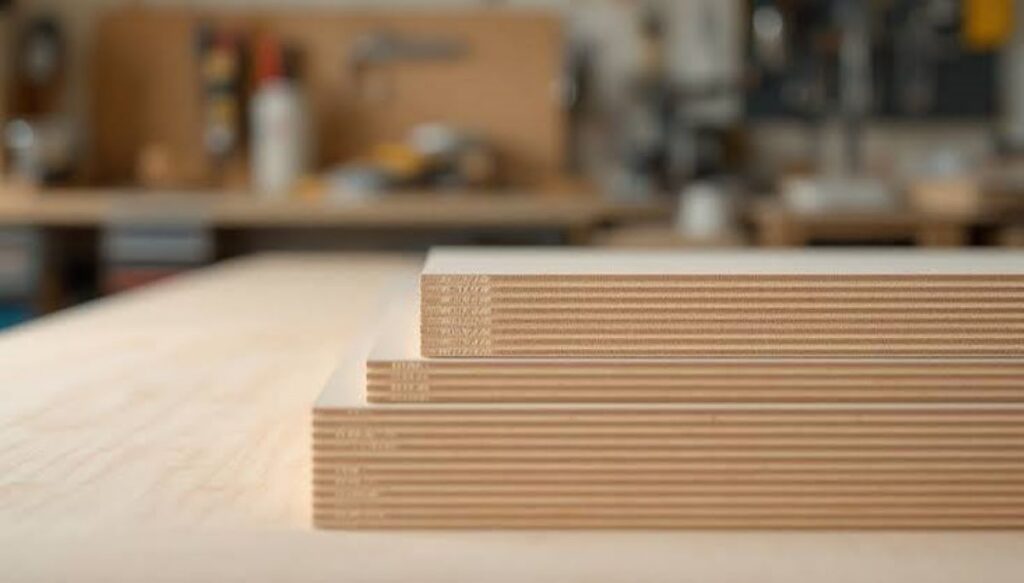
Edges matter because water enters the core through exposed end grain, leading to swelling and delamination. Many formply sheets come with factory sealed edges, but any on-site cuts should be resealed straight away.
This is one of the easiest cost savers. A tin of edge sealer and five minutes can add multiple reuses. It is boring, but it works.
Are there weight differences between sizes and thicknesses that affect handling?
Yes. Thicker sheets are heavier, and wet or slurry covered sheets feel heavier again. Handling matters because unsafe lifts and sheet drops damage edges, corners, and faces, which then shows up in the concrete.
For smaller crews, a standard 2400 x 1200 sheet in 17 mm is often the practical limit for regular manual handling. That becomes part of the decision, not just structural performance.
See Also : What Formply Costs in Australia, and What Drives the Price
What should they ask the supplier to confirm before purchasing?
They should ask for the product data sheet, the standard it complies with, the stress grade if relevant, and whether the faces are HDO or standard phenolic film. They should also confirm edge sealing, thickness tolerance, and whether the sheets are imported or locally stocked.
If the job needs consistency across multiple deliveries, they should ask about batch consistency. Formply grades and sizes explained is only helpful if they actually receive the grade they think they ordered.
How do they store and maintain formply on Australian building sites?
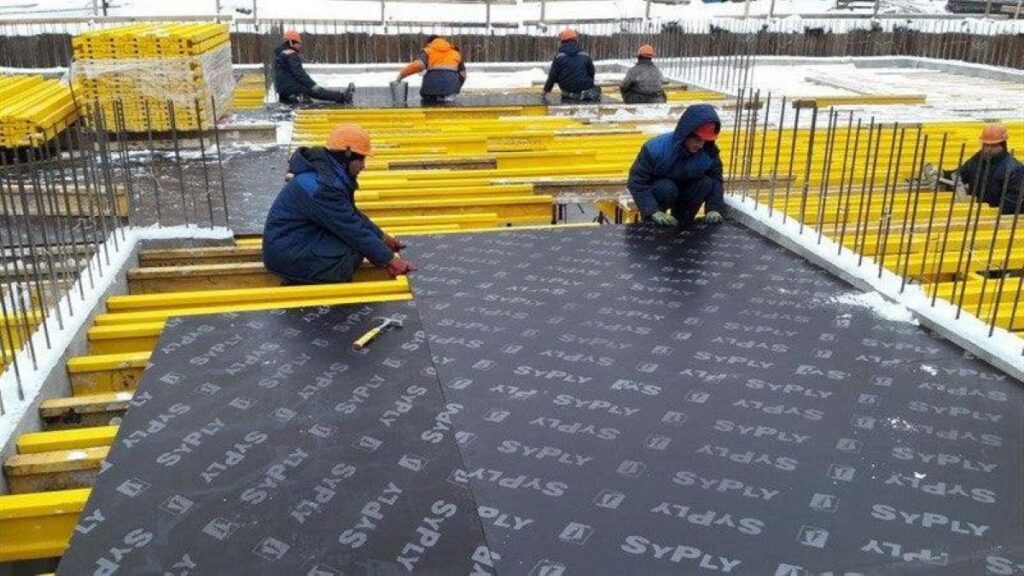
Store sheets flat, off the ground, and under cover. In Australian conditions, sun exposure can bake the film face and twist sheets, while rain drives moisture into edges and screw holes.
They should clean concrete residue promptly, avoid gouging the face, and recoat or reseal damaged edges. Long term, most “mystery warping” comes from poor stacking and leaving sheets half supported.
What are the most common mistakes people make with formply selection?
They often choose on price alone, ignore the face class, and assume all film faced sheets are equal. Another common mistake is mismatching thickness to framing spacing, then blaming the sheet when deflection shows in the pour.
They also forget that cut edges and penetrations need sealing. Even premium sheets fail fast when water gets into the core repeatedly.
Which formply size and grade is the safest “default” for general work?
For general residential and light commercial work in Australia, a common default is 2400 x 1200 in 17 mm film faced formply from a reputable supplier, with clear compliance documentation. It balances stiffness, handling, and availability.
But “default” is not a design. For suspended slabs or engineered forms, they should follow project specs and structural requirements, not habits. Formply grades and sizes explained only goes so far without checking the actual pour conditions.
How can they choose quickly without overthinking it?
They should start with three checks. What finish is required, what loads and spans are involved, and how many reuses they realistically need. Then they match size for handling and logistics, and confirm compliance with their supplier.
If they do just that, they will usually land on the right product without drama. And that is the real goal of Formply grades and sizes explained. Choosing once, choosing correctly, and getting on with the build.
What is a simple takeaway checklist they can use on the spot?
They can use this quick list at the counter or on the phone.
- Confirm Australian Standard compliance and get the data sheet
- Pick sheet size that suits the crew and the formwork layout
- Select thickness to suit span and pour pressure, not guesswork
- Check face quality if concrete finish matters
- Make sure edges are sealed, and reseal any cuts on site
Do those five things, and Formply grades and sizes explained stops being confusing and starts being practical.
FAQs (Frequently Asked Questions)
What is formply and how does it differ from regular plywood in Australia?
Formply is a structural plywood specifically designed for concrete formwork, typically featuring a phenolic film face that resists moisture and abrasion. Unlike regular plywood, which may not be suitable for wet, high-pressure concrete pours, formply holds its shape under load and provides a cleaner concrete finish. It is purpose-built for multiple uses, impact resistance, and site handling in Australian construction.
What do the different formply grades mean in the Australian context?
In Australia, formply grades indicate face quality, durability, and intended use aligned with Australian Standards and manufacturer specifications. Grades primarily affect the concrete finish appearance and the number of reuses expected. Choosing a cheaper grade can lead to higher costs due to patches, blowouts, or replacements. Understanding these grades helps avoid costly mistakes on site.
Which Australian Standards should I check when purchasing formply?
When buying formply in Australia, ensure it complies with AS 6669 (Formwork plywood) and structural plywood manufacturing standards under AS/NZS 2269.1. Reputable suppliers provide branding, edge stamps, and compliance documentation upon request. Sheets lacking markings or data sheets pose risks, especially for commercial pours or inspected work.
What is the difference between F-grade and non F-grade formply?
F-grade formply refers to structural stress grading indicating strength and stiffness performance suitable for engineered applications like suspended slabs or propping designs. Non F-grade sheets may still be used for formwork but lack this stress grading, potentially limiting engineering acceptance. For safety and compliance on critical projects in Australia, F-grade is generally preferred.
How do formply face classes affect the concrete finish?
Face classes describe surface quality including repairs, patches, and grain characteristics of formply sheets. Higher face class means smoother and more uniform concrete surfaces. Film-faced formply with phenolic overlays is common in Australia as it reduces water absorption and ensures consistent results; however, factors like release agents and pour technique also influence finish quality.
What are the standard sizes and thicknesses of formply sheets available in Australia?
The most common Australian formply sheet size is 2400 mm x 1200 mm, with other sizes like 1800 mm x 1200 mm and 2700 mm x 1200 mm available depending on supplier location and demand. Thicknesses commonly range from 17 mm to 19 mm, with some options at 12 mm or 25 mm. Thickness selection depends on application requirements such as span, pour pressure, framing spacing, and desired number of reuses.
Related Posts
How Much Formwork Plywood Do You Actually Need?
Ordering formwork plywood sounds simple until the pour date is…
What Formply Costs in Australia, and What Drives the Price
Pricing always sounds simple until someone has to actually pay…
Comparing LVL Formwork vs. Traditional Timber: Pros and Cons
The construction industry offers a range of options when it…