
This guide covers the most common mistakes people make with a Pilates magic circle, plus quick fixes that suit typical Australian home, studio, and gym setups.
Are they choosing the wrong size or style of Pilates magic circle?
Yes, and it shows up fast as shoulder tension, wrist strain, or a circle that feels impossible to control. A Pilates magic circle should feel firm but compressible, with handles that sit comfortably in the hands or between the legs.
If the circle is too stiff, they will compensate by gripping and shrugging. If it’s too soft, they will chase pressure and lose alignment.
Are they setting the circle up in the wrong position?
Often, yes, especially around the knees, ankles, or between the hands. A Pilates magic circle needs to be placed where it supports alignment, not where it forces it.
For example, placing it too low on the shins can twist the knees. Placing it too wide in the hands can jam the shoulders. A small shift in placement usually fixes the whole exercise.
Are they squeezing as hard as possible instead of using controlled pressure?
This is one of the biggest mistakes. With a Pilates magic circle, the goal is steady, measurable pressure, not maximum force.
When they squeeze too hard, ribs flare, shoulders tense, and the pelvis shifts. A better cue is to build to about 30 to 60 percent effort, hold for a breath, then release with the same control.
Are they holding their breath during the effort?
Yes, and it reduces control straight away. Breath is often the first thing that disappears when the circle adds intensity.
They should aim to exhale on the squeeze and inhale on the release, keeping the neck soft. If breathing becomes choppy, the resistance is too high or the posture has drifted.
Are they letting the shoulders creep up when using the circle in the hands?
Common in chest presses, arm circles, and overhead variations. When the shoulders elevate, the neck takes over and the upper back stops supporting the movement.
They should keep shoulder blades wide and heavy, with the collarbones broad. With a Pilates magic circle, it helps to think “wrap the armpits” rather than “crush the handles.”
Are they gripping with the hands and straining the wrists?
Yes, especially if they press through the thumbs or bend the wrists back. The circle then becomes a wrist exercise instead of an upper-body and trunk exercise.
They should keep wrists neutral and pressure evenly spread through the palm and fingers. Softer hands usually create stronger shoulders, which is the opposite of what most people expect.
Are they losing rib and pelvis alignment while squeezing?
Frequently, particularly in standing work and abdominal sequences. The circle can tempt them to flare the ribs and tip the pelvis forward to feel “stronger.”
They should aim for ribs stacked over pelvis, with the abdominals gently supporting the spine. If the lower back arches more as they squeeze, the shape has changed and the target muscles have likely switched.
Are they turning it into a hip flexor workout during inner-thigh work?
Yes, and it can feel like pinching at the front of the hips. In side-lying or supine adduction work, they may pull from the hip flexors instead of the inner thighs and deep abdominals.
They should keep the pelvis steady and think of drawing the legs long, then gently closing the circle. If the thighs creep up toward the chest, the hip flexors are taking over.
Are they placing the circle at the knees and collapsing the arches or rolling the ankles?
This happens a lot in bridges, squats, and standing sequences. When the circle is at the knees, they may press outward by rolling the feet or collapsing the arches.
They should keep weight across the tripod of the foot, heel, big toe mound, and little toe mound. In Australian studios, instructors often cue this as “keep the feet honest” before adding more resistance.
Are they twisting the knees by forcing turnout?
Yes, especially when they try to “feel it more” in the glutes. Forcing turnout while pressing the circle can torque the knees, particularly if the feet are planted.
They should let turnout come from the hips, not the feet. A safer option is to keep toes facing forward, align kneecaps with second toes, and reduce the squeeze until control returns.
Are they rushing the reps and missing the point of the tool?
Often, yes. The Pilates magic circle works best when it slows the movement down and creates feedback.
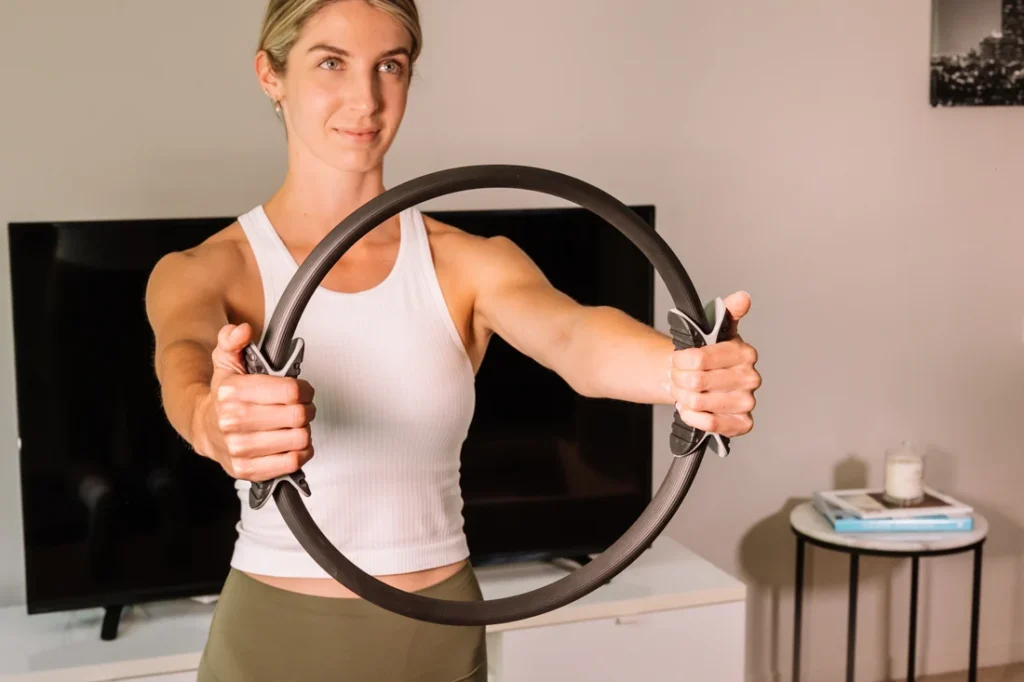
They should use a clear tempo: squeeze for two to three seconds, hold for one breath, release for two to three seconds. Understanding the history of Magic Circle Pilates can also help explain why controlled movements matter. Fewer reps done well usually beat high reps done fast, especially in a short home session.
Are they using the circle even when their form is not stable yet?
Yes, and it can amplify compensations. If they cannot maintain neutral spine, shoulder placement, or pelvic control without the circle, adding resistance can make the pattern worse.
A simple rule works well: earn the circle. They can practise the same movement without it first, then add the Pilates magic circle as a progress step.
Are they copying advanced social-media variations without regressions?
This is increasingly common. Advanced flows often combine balance, long levers, and strong compressions, which can be too much too soon.
They should look for regressions such as bent knees, smaller range, or wall support. In Australian homes where space is tight, using a wall for feedback can be more useful than chasing a more dramatic variation.
Are they ignoring pain signals and pushing through?
Yes, and it is not worth it. A Pilates magic circle should create muscular work, not sharp pain, joint pinching, or nerve-like sensations.
If pain appears, they should stop and adjust position, range, or effort. If it persists, they should consult an Australian-registered physiotherapist or an appropriately qualified Pilates professional, especially for hip, knee, neck, or lower back symptoms.
Are they skipping warm-up and going straight to high tension?
Often, especially in quick sessions before work or after a run. The circle can feel intense immediately, which tempts them to dive in without preparation.
They should warm up shoulders, hips, and spine first. Even three minutes of breathing, pelvic clocks, cat-cow, and shoulder blade slides can make Pilates magic circle work smoother and safer.
Are they choosing exercises that don’t match their goals?
Yes, and the circle then feels pointless. The tool can build adductor strength, improve shoulder stability, and add trunk challenge, but only if the exercise selection is deliberate.
If their goal is glute strength, they might use the circle as an outward press cue in bridges. If their goal is posture, they might prioritise upper-back and serratus work. The Pilates magic circle is most effective when used with a clear “why.”
Are they forgetting that the circle is feedback, not the focus?
Yes, and it changes the quality of movement. When the circle becomes the main goal, they chase compression and lose precision.
They should treat it as a guide that highlights imbalance and encourages connection. With a Pilates magic circle, the best sessions look calm from the outside because control is doing the work.
What simple cues help them use a Pilates magic circle correctly?
A few cues fix most mistakes quickly. They should start lighter than they think, then build only if alignment stays solid.
Useful reminders:
- Keep ribs stacked over pelvis.
- Exhale to squeeze, inhale to release.
- Soften the neck and jaw.
- Keep wrists neutral and shoulders wide.
- Move slowly enough to feel where the effort goes.
How can they make Pilates magic circle training safer at home in Australia?
They can set themselves up for success with space, surface, and sensible progressions. A non-slip mat on timber floors or tiles helps, which is common in Australian homes and apartments.
They should also avoid training when overly fatigued and keep sessions short if technique slips. If unsure, they can book a session at a local Australian Pilates studio for form checks, then continue confidently at home with the Pilates magic circle.
What’s the takeaway on common mistakes with a Pilates magic circle?
Most problems come from squeezing too hard, losing alignment, or choosing progressions that outpace control. The fix is usually less effort, better setup, and slower reps.
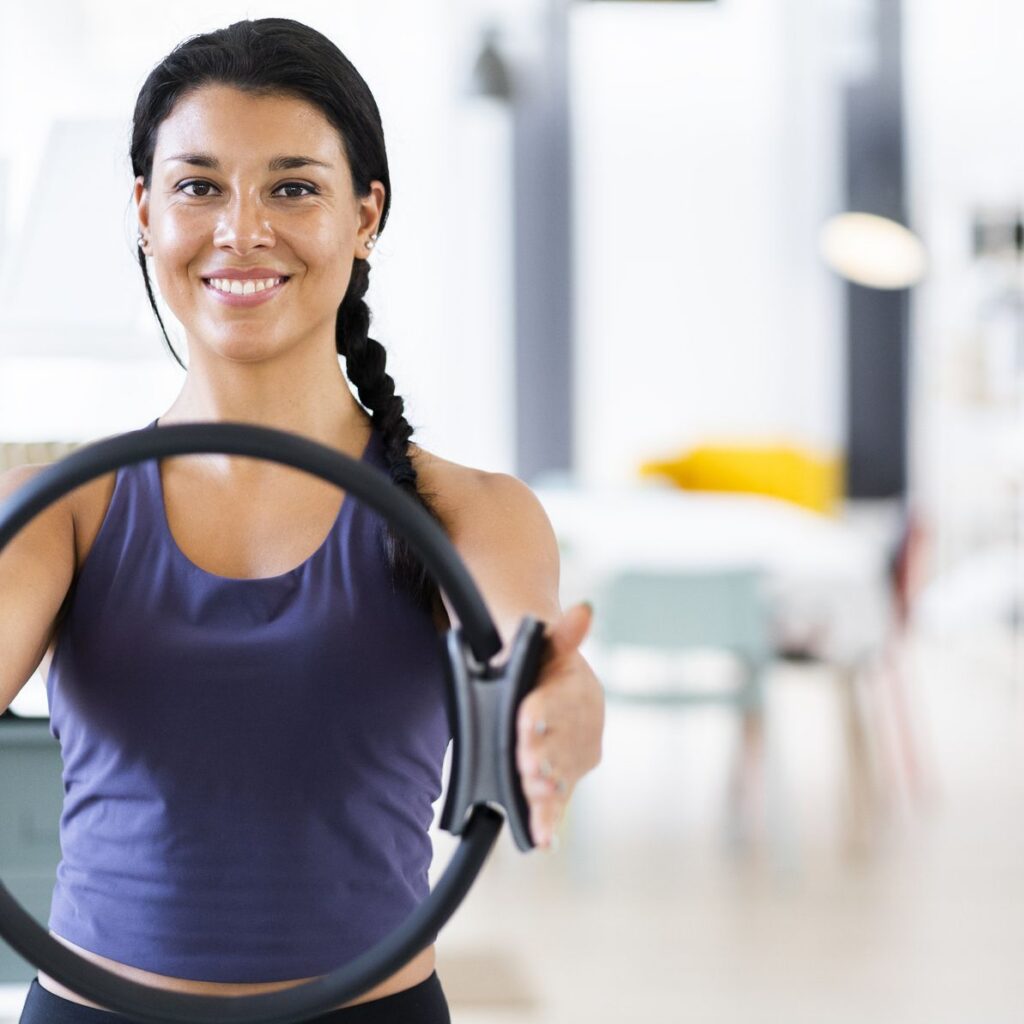
Used well, a Pilates magic circle becomes a simple way for them to feel the right muscles, refine technique, and make Pilates sessions more effective without needing a full gym.
FAQs (Frequently Asked Questions)
What are common mistakes people make when using a Pilates magic circle?
Common mistakes include choosing the wrong size or style, incorrect placement of the circle, squeezing too hard instead of using controlled pressure, holding breath during effort, letting shoulders creep up, gripping with the hands and straining wrists, losing rib and pelvis alignment, turning exercises into hip flexor workouts, collapsing arches or rolling ankles at the knees, twisting knees by forcing turnout, rushing repetitions, using the circle without stable form, copying advanced variations without regressions, and ignoring pain signals.
How do I choose the right Pilates magic circle for effective workouts?
Select a Pilates magic circle that feels firm but compressible with handles that sit comfortably in your hands or between your legs. Avoid circles that are too stiff to prevent compensating by gripping and shrugging, and circles that are too soft which cause chasing pressure and loss of alignment.
What is the proper technique for applying pressure with a Pilates magic circle?
Use steady, measurable pressure around 30 to 60 percent effort rather than maximum force. Build to this pressure gradually, hold for a breath while maintaining control, then release with the same control. Avoid squeezing as hard as possible to prevent ribs flaring, shoulder tension, and pelvic shifts.
How should I breathe while using the Pilates magic circle?
Aim to exhale on the squeeze and inhale on the release while keeping your neck soft. Proper breathing maintains control and prevents tension. If breathing becomes choppy during use, it may indicate resistance is too high or posture has drifted.
What is the correct shoulder and wrist positioning when using a Pilates magic circle?
Keep shoulder blades wide and heavy with broad collarbones to avoid shoulders creeping up. Think “wrap the armpits” instead of crushing handles. Maintain neutral wrists with pressure evenly spread through palms and fingers to prevent wrist strain; softer hands usually create stronger shoulders.
When should I start using a Pilates magic circle in my practice?
Only use the Pilates magic circle once you can maintain stable form without it—neutral spine, proper shoulder placement, and pelvic control. Adding resistance before mastering these basics can amplify compensations. Practice movements without the circle first and add it as a progression step.
<script type="application/ld+json">
{
  "@context": "https://schema.org",
  "@type": "BlogPosting",
  "mainEntityOfPage": {
    "@type": "WebPage",
    "@id": "https://lanehouseconstruction.com/common-mistakes-people-make-with-a-pilates-magic-circle/"
  },
  "headline": "Common Mistakes People Make With a Pilates Magic Circle",
  "image": [
    "https://lanehouseconstruction.com/wp-content/uploads/2026/08/pilates-fit-studio-29.jpg",
    "https://lanehouseconstruction.com/wp-content/uploads/2026/08/9vFXtSUrTn99cMj5gx8RUX.jpg",
    "https://lanehouseconstruction.com/wp-content/uploads/2026/08/Location_1-45.webp"
  ],
  "author": {
    "@type": "",
    "name": "Ella Glew",
    "url": "https://lanehouseconstruction.com/author/admin/"
  },
  "publisher": {
    "@type": "Organization",
    "name": "Lane House Construction",
    "logo": {
      "@type": "ImageObject",
      "url": "https://lanehouseconstruction.com/wp-content/uploads/2024/05/cropped-cropped-New-logo-4.png"
    }
  },
  "datePublished": ""
}
</script>